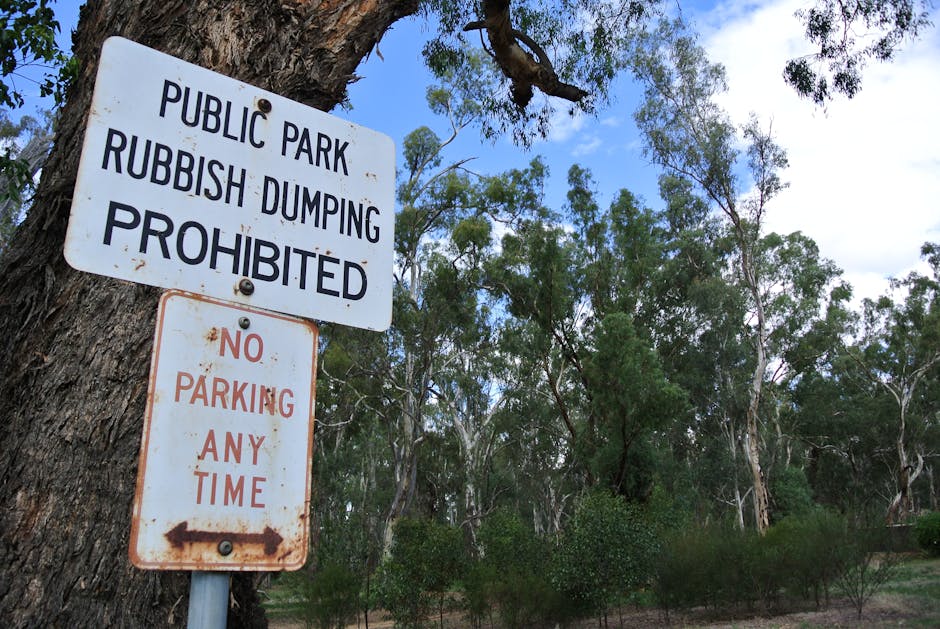
Hainault Forest Country Park rubbish clearance rules nearby: what residents and visitors need to know
If you are searching for Hainault Forest Country Park rubbish clearance rules nearby, chances are you are trying to solve a very practical problem: where to put waste, what counts as fly-tipping, and how to clear rubbish without creating a bigger headache. Maybe you have had a garden tidy-up, a house move, or a small renovation. Maybe you are just trying to do the right thing after a weekend spent in that oddly satisfying, slightly dusty zone where bags, boxes, and broken bits seem to multiply. Whatever the reason, the rules around disposal near a country park matter more than people sometimes realise.
The short version? Keep waste off the ground, separate the risky stuff, use the right collection route, and avoid leaving anything in or around the park unless it is specifically allowed. This guide explains the practical side of rubbish clearance near Hainault Forest Country Park, how to stay on the right side of local expectations, and which clearance options tend to make the most sense nearby.
Expert summary: if the waste is household, garden, builders, bulky, or mixed, the safest approach is usually to plan the clearance before the waste piles up. That avoids blocked driveways, missed collections, and the kind of last-minute scramble nobody enjoys.
Table of Contents
- Why Hainault Forest Country Park rubbish clearance rules nearby Matters
- How Hainault Forest Country Park rubbish clearance rules nearby Works
- Key Benefits and Practical Advantages
- Who This Is For and When It Makes Sense
- Step-by-Step Guidance
- Expert Tips for Better Results
- Common Mistakes to Avoid
- Tools, Resources and Recommendations
- Law, Compliance, Standards, or Best Practice
- Options, Methods, or Comparison Table
- Case Study or Real-World Example
- Practical Checklist
- Conclusion
- Frequently Asked Questions
Why Hainault Forest Country Park rubbish clearance rules nearby Matters
Country parks are shared spaces. That sounds obvious, but it is the core reason clearance rules exist nearby. When rubbish is left in the wrong place, it does not just look untidy. It can attract pests, block paths, create hazards for children and dog walkers, and put pressure on park maintenance teams who already have enough to do.
Near Hainault Forest Country Park, the issue is usually less about dramatic, headline-making offences and more about everyday carelessness. A sofa left by a hedge. Black bags propped beside a gate. Builder's rubble dumped "just for a day". It does not take much for a small pile to become a public nuisance. And let's face it, once one person leaves something behind, others sometimes follow. That is how a tidy edge can turn into a mess surprisingly quickly.
There is also a practical side for nearby households and businesses. If you are planning clearance work close to the park, you need to think about access, storage, collection timing, and whether a skip or wait-and-load service is more appropriate. A poor plan can lead to complaints, extra costs, and avoidable delays.
In our experience, people are often not trying to break rules; they are simply underestimating how waste behaves. It spreads. It blows. It leaks. It gets in the way. A few damp cardboard boxes on a windy morning can become a trail of debris before you have even had your tea.
How Hainault Forest Country Park rubbish clearance rules nearby Works
The "rules" people usually mean here are really a mix of common-sense disposal standards, local collection expectations, waste carrier requirements, and park-specific behaviour. You may not see a big sign explaining every detail, but the principle is simple: waste should be removed through a proper route, not abandoned near the park or on surrounding streets.
For nearby residents, clearance generally works in one of a few ways:
- Kerbside collection for normal household waste, where accepted by your local service.
- Bulky waste removal for larger items such as furniture or appliances.
- Skip hire when you have a larger volume or mixed waste.
- Man and van collections for lighter clearances or awkward access.
- Grab hire for heavier or loose waste, especially soil, rubble, and garden spoil.
The right choice depends on volume, weight, access, and whether the waste contains restricted items. If you are not sure what can go in a skip, it is worth checking what can go in a skip before you start filling bags. That one page can save a lot of back-and-forth later on.
There is also the question of placement. A skip or pile of waste should never obstruct pavements, driveways, entrances, or park access routes. If you need a container on a public road, you may need a permit. For that, the safest next step is to look at skip permits or skip hire permits depending on the arrangement.
Nearby, some jobs are better handled with a quicker, cleaner method. If the waste is ready to go and you want minimal disruption, wait and load skip hire can be a sensible option. The truck arrives, you load promptly, and it leaves. No long-term roadside presence. That can be a relief if space is tight.
Key Benefits and Practical Advantages
Following the right clearance approach near Hainault Forest Country Park is not just about avoiding hassle. It gives you a cleaner, safer, calmer process from start to finish. A few of the biggest benefits are worth spelling out.
- Less risk of complaints: no one wants waste sitting where walkers, neighbours, or park users can see it.
- Better safety: fewer trip hazards, fewer sharp edges, fewer unstable stacks.
- More efficient removal: a planned clearance is usually faster than a reactive one.
- Cleaner sorting: separating rubbish, recyclables, and restricted items helps everything run smoothly.
- Lower chance of penalties or rejection: improper disposal can lead to fines, extra charges, or failed collections.
There is another quiet benefit too: peace of mind. It is a lot easier to enjoy the rest of your day when the rubbish is gone and you know it has been handled properly. No lingering worry that a bag will split, a neighbour will complain, or a collection crew will refuse the load because something questionable has been mixed in.
For larger or mixed jobs, choosing a service built around efficient handling can make a real difference. If the load is bulky or you are clearing a drive, garden, or access path, rubbish removal is often more straightforward than trying to move everything yourself in stages.
Who This Is For and When It Makes Sense
This topic matters to a fairly broad mix of people, though the circumstances vary. Some people only need to get rid of a few bags after a garden tidy. Others are dealing with a full property clearance after a move, a renovation, or a bereavement. Different problems, same underlying need: get the waste gone properly, without making life harder.
You will likely find this useful if you are:
- a homeowner near the park sorting out garden or household waste;
- a landlord clearing a property between tenancies;
- a tradesperson working on a nearby renovation;
- a small business managing occasional rubbish build-up;
- a family trying to dispose of bulky items after a clear-out;
- someone who needs a same-day or short-notice solution.
For domestic jobs, a straightforward collection or small skip often works well. A dedicated domestic skip hire option is usually a better fit when waste is mixed and you want to avoid repeat trips to a tip. For homes with lofts, garages, and spare rooms full of odds and ends, garage and loft clearance can be a practical stepping stone before a larger clean-up.
On the other hand, if you are clearing a worksite, the needs are different. Construction debris, timber offcuts, and heavy rubble require a more robust setup. In that case, builders skip hire or construction waste disposal may be more appropriate. Truth be told, mixing the wrong waste types is where a lot of avoidable trouble starts.
Step-by-Step Guidance
If you are planning clearance near Hainault Forest Country Park, a simple process usually works best. No drama. No overthinking. Just a tidy sequence that keeps you in control.
- Identify the waste type. Is it household, garden, builders, bulky, or mixed? Hazardous material needs special treatment.
- Estimate the volume. A few bags is very different from a full room, shed, or renovation load.
- Check access. Can a vehicle stop safely? Is there room for loading? Would a skip block anything important?
- Separate restricted items. Paints, chemicals, fridges, and certain electrical items may need separate handling.
- Choose the right method. Skip, man and van, grab hire, or wait-and-load - each has its place.
- Book in advance where possible. Especially if the area is busy or access is tight.
- Load carefully and evenly. Keep weight balanced and avoid overfilling.
- Confirm collection or disposal details. Make sure the waste will be taken away legally and responsibly.
If you want to compare sizes before ordering, skip sizes and prices is a sensible page to review. It helps you avoid paying for far more capacity than you need, which, to be fair, happens more often than people admit.
For heavier projects, especially where a heap of soil or rubble is involved, grab hire services can save a lot of manual effort. And if the job is time-sensitive, same day skip hire can be a useful fallback when the mess simply cannot wait another day.
Expert Tips for Better Results
A good clearance job is usually won or lost in the planning. Not the loading. Planning. That is the bit people skip, then regret on a Tuesday morning when the driveway is half blocked and the wet cardboard has started to sag.
Here are a few habits that make everything easier:
- Sort waste before collection day. Mixed waste is fine in many cases, but separating recyclables and restricted items saves time.
- Break down bulky items early. Flat-pack timber, disassembled furniture, and folded cardboard are much easier to manage.
- Keep hazardous items aside. Never bury them under general waste just to get them out of sight.
- Protect access routes. Wet leaves, broken glass, and loose rubble should be managed before they spread.
- Think about neighbours. Early-morning noise, blocked pavements, and overflowing piles rarely go down well.
For one-off household clearances, a clean, direct removal service can be easier than a skip if space is tight. The man and van option is often useful for small to medium loads where you want speed without needing a container sitting outside for days.
If the job is sensitive, such as paperwork, old files, or office records, use a different approach. confidential shredding is there for a reason, and it is better than trying to improvise with mixed paper waste. Not glamorous, perhaps. But very sensible.
One more thing: if the waste includes old white goods or broken appliances, check the handling route first. fridge and appliance removal exists because electrical and cooling items often need special care. A fridge dumped in the wrong place is not just messy; it can become an environmental issue quite quickly.
Common Mistakes to Avoid
Most clearance problems are avoidable. The same mistakes crop up again and again, and they tend to be ordinary rather than dramatic. That is what makes them annoying.
- Leaving waste near the park "temporarily". Temporary has a habit of becoming permanent.
- Assuming all rubbish can go together. Some items need separate treatment, especially hazardous or electrical waste.
- Overfilling skips or containers. This can make collection unsafe or lead to extra charges.
- Blocking access or sightlines. If a vehicle cannot reach the load properly, the job may be delayed.
- Ignoring permit needs. A container on a public road may need the right paperwork.
- Using unlicensed or unclear disposal routes. If someone cannot explain where the waste goes, that is a warning sign.
Another common issue is underestimating how much waste a small job generates. A garden refresh sounds simple until you realise you have old slabs, soil, a broken bench, hedge trimmings, and a suspiciously heavy pile of stuff from the shed. Happens all the time.
For larger property clearances, especially after a move or refurbishment, you may want to consider house clearance or office clearance rather than trying to do everything in fragments. A single organised removal is often kinder on your time and sanity.
Tools, Resources and Recommendations
You do not need a big toolkit to manage rubbish clearance well, but a few basics help more than people expect. Strong bags, gloves, a tape measure, a torch for lofts or dark corners, and a notebook for listing bulky items can make the whole process smoother.
Useful support pages on this site include:
- waste recycling services for understanding what can be recovered or diverted from landfill;
- health and safety policy for a clearer idea of safe handling expectations;
- insurance and safety for reassurance around careful working practices;
- payment and security if you want to understand how booking and payment are handled;
- pricing and quotes when you are comparing options.
If you are dealing with mixed waste and want a broader collection service, house clearance and site clearance are helpful to review because they cover larger, more varied loads. For building work, look at construction waste clearance as well. That tends to fit the real-world shape of the job better than a one-size-fits-all approach.
And if you are wondering who is behind the service, the about us page is the sensible place to start. It is always worth checking that a waste provider feels solid, transparent, and easy to work with before you let them take away a full load of your stuff.
Law, Compliance, Standards, or Best Practice
Waste clearance in the UK is governed by a mix of legal duties and practical best practice. The exact rules depend on the waste type, where it is stored, how it is transported, and whether it counts as household, commercial, construction, or hazardous material.
As a general rule, you should only use a waste carrier that can deal with the material properly and provide a lawful route for disposal or recycling. Fly-tipping is not just an eyesore; it can lead to enforcement action and expensive clean-up work. Even if you pay someone else to take it, responsibility can still come back to you if the waste is mishandled. That is the bit many people overlook.
Near a place like Hainault Forest Country Park, best practice also means protecting public space. Do not place rubbish where it could blow into paths, hedges, or drainage areas. Do not assume park-adjacent land is a convenient temporary holding spot. It usually is not.
For building and renovation work, keep an eye on segregating waste streams where practical. Clean timber, inert rubble, metal, plasterboard, soil, and general mixed waste are often treated differently. If in doubt, ask the provider before loading starts. A five-minute check can prevent a rejected load later on.
Hazardous items deserve extra care. Paint tins, solvents, gas canisters, oily rags, batteries, and certain chemicals should not be tucked into general rubbish. Use proper handling routes, and if you need help with that side of things, hazardous waste disposal is the right page to review.
Options, Methods, or Comparison Table
Choosing the right clearance method near the park usually comes down to space, time, and waste type. Here is a simple comparison that may help.
| Method | Best for | Strengths | Watch-outs |
|---|---|---|---|
| Skip hire | Mixed domestic, renovation, garden, and bulky waste | Good capacity, flexible for ongoing clear-outs | May need a permit if placed on the road |
| Wait and load | Quick jobs with limited on-street time | No long-term container footprint, tidy and fast | Needs the waste ready when the vehicle arrives |
| Man and van | Household clearances, smaller loads, awkward access | Helpful where lifting and transport are the main issue | Less suitable for very heavy rubble |
| Grab hire | Soil, rubble, garden spoil, large loose material | Efficient for heavy or bulky loose waste | Needs access for the vehicle arm |
| Dedicated clearance service | Whole rooms, garages, lofts, offices, or estates | Best when you want the lot handled in one go | Less tailored if you only have a handful of items |
If you are working with construction materials, compare builders waste removal with builders skip hire. The first is often better where labour and loading help matter; the second can suit ongoing site work.
For demolition-heavy jobs, the same logic applies, only more so. demolition waste removal is usually the cleaner choice when the load is awkward, heavy, and not worth trying to piece together yourself. Nobody wants broken masonry living in the driveway for a week. Been there, regretted it.
Case Study or Real-World Example
A common local scenario goes like this. A family living near Hainault Forest Country Park spends a weekend clearing the garden after months of neglect. There is soil from raised beds, broken fencing, a rusted swing frame, hedge cuttings, and a pile of mixed household bits from the shed. At first, it looks manageable. Then the bags start filling up, the old timber is heavier than expected, and the back gate is too narrow for anything awkward.
They could try to squeeze everything into the car in several trips. But that means mud in the boot, multiple unloading runs, and a fair chance of half the mess sitting around until next weekend. Instead, they choose a more organised route: separate the garden waste, keep the metal bits aside, and book a collection that fits the access conditions. The job gets done in one clean sweep. The path is clear, the garden looks bigger, and the family can actually enjoy the space rather than keep tripping over the remains of the project.
That is the real value of good clearance planning. It is not flashy. It just works.
Practical Checklist
Use this before you arrange rubbish clearance near Hainault Forest Country Park.
- Confirm the exact waste type: household, garden, construction, bulky, or hazardous.
- Estimate the volume and weight realistically.
- Check access for a vehicle, skip, or loading crew.
- Separate items that should not go in a general mixed load.
- Decide whether a skip, wait-and-load, grab hire, or man and van service makes most sense.
- Check whether any permit or placement restriction may apply.
- Keep paths, gates, and road space clear.
- Book early if the area is busy or your timing is tight.
- Ask what happens to recyclable and restricted items.
- Make sure collection, payment, and disposal terms are clear before work begins.
Conclusion
Hainault Forest Country Park rubbish clearance rules nearby are really about one simple idea: keep public space tidy, keep waste moving through proper channels, and choose the right collection method for the job. That might sound straightforward, but the details matter. The difference between a smooth clearance and a stressful one is usually planning, access, and knowing which items need special handling.
If you are preparing a household tidy-up, a garden clear-out, or a heavier project nearby, take a moment to sort the waste properly and choose the most practical option. A bit of thought up front usually saves a lot of bother later on. And honestly, that is a decent trade.
Get a free quote today and see how much you can save.
When the job is handled well, the whole place feels lighter. Cleaner too. And that is never a bad feeling.
Frequently Asked Questions
What are the basic rubbish clearance rules near Hainault Forest Country Park?
The basic rule is simple: do not leave waste in public spaces or where it can become a hazard. Use a lawful collection method, keep access routes clear, and make sure restricted items are handled separately.
Can I leave rubbish beside the park if it is only for a short time?
No, not as a general rule. Even a short delay can create a littering or fly-tipping issue, and waste can spread quickly in windy weather or attract attention from the wrong people.
Do I need a permit for a skip near the park?
If the skip goes on a public road or highway, a permit may be needed. If it stays fully on private property, that may not be required. Always check before booking because placement matters.
What items cannot go in a normal skip?
Hazardous items such as solvents, chemicals, some batteries, gas cylinders, and certain electrical items usually need special handling. Fridges and appliances may also have specific requirements.
Is wait and load better than skip hire near Hainault Forest Country Park?
Sometimes, yes. If you have limited space, want no container left outside, or need a quick turnaround, wait and load can be the cleaner option. If you have ongoing waste over several days, a skip may suit better.
What should I do with garden waste from a clear-out?
Separate green waste from rubble, soil, and general rubbish where possible. Garden waste can often be handled efficiently through a dedicated collection or a suitable mixed-waste route.
Can builders waste be mixed with household rubbish?
In many cases it can, but it is not always the smartest approach. Mixing heavy construction debris with lighter domestic waste can affect loading, pricing, and disposal efficiency, so check the provider's rules first.
What happens if rubbish is left in the wrong place?
It may be treated as fly-tipping or littering, and you could face enforcement action or removal costs. Even if someone else leaves it there, it is better to avoid any uncertainty.
How do I know whether I need rubbish removal or a skip?
Choose rubbish removal if you want someone else to do the lifting and take away a small to medium load quickly. Choose a skip if you need ongoing access over several days or have a larger mixed volume.
Are bulky items like sofas and mattresses treated differently?
Often, yes. Bulky items can be awkward to load and may need specific disposal routes. It is worth using dedicated services where available, especially for items that do not compact well.
Can I get same-day clearance near the park?
In some cases, yes, depending on availability and the type of waste. Same-day service is most useful when the waste is ready to go and access is straightforward.
What is the best option for heavy rubble or soil?
Grab hire is often a strong choice for loose heavy material because it can handle substantial weight efficiently. It is usually more practical than manual loading for dense waste.
How can I keep my clearance legal and tidy?
Separate hazardous items, choose a reputable disposal route, keep the area neat, and make sure the collection method matches the waste. Small details, but they matter a lot.